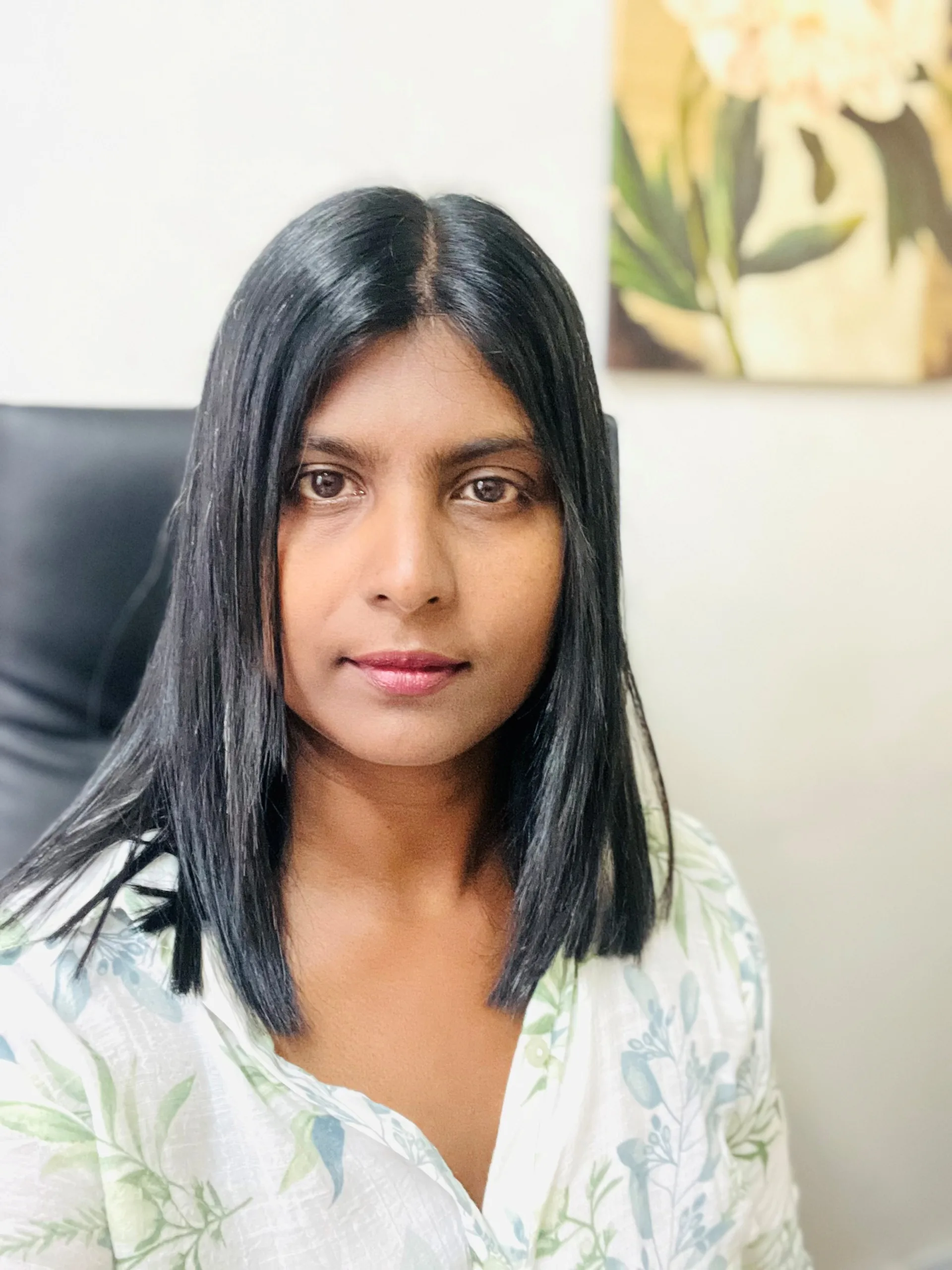
I am particularly interested in addressing contamination challenges associated with industrial, petrochemical, mining, and agricultural activities, contributing to sustainable and site-specific remediation strategies. My work supports ecosystem restoration, improved soil and water quality, and environmentally responsible management practices.
In addition to research, I am committed to postgraduate supervision, teaching, capacity building, interdisciplinary collaboration, and the translation of scientific knowledge into practical environmental solutions.
Teaching & Training
Lectures Green Biotechnology and White Biotechnology at the Advanced Diploma level and Bioinformatics at the PGDip level with a specialisation in biochemistry, genetics, organic chemistry, microbiology and molecular biology.
Research & Training
Dr Cindy Baburam is an environmental microbiologist specializing in the bioremediation of hydrocarbons and other xenobiotic pollutants, with a regional focus on contaminated ecosystems across South Africa. This research integrates metagenomics, microbial ecology, and environmental chemistry to uncover how indigenous microbial communities respond to and transform persistent environmental contaminants.
Working at the interface of molecular biology and ecosystem science, Dr C Baburam investigates the bacterial diversity of contaminated soils, freshwater systems, and industrial sites, including areas impacted by petroleum spills, mining operations, and agricultural runoff. By applying high-throughput sequencing and advanced bioinformatics, they characterize complex microbial consortia capable of degrading hydrocarbons, polycyclic aromatic hydrocarbons (PAHs), and other recalcitrant xenobiotic compounds.
A core component of this work involves metagenomic profiling of functional genes associated with biodegradation pathways. This approach enables the identification of key catabolic genes, metabolic networks, and adaptive mechanisms that drive natural attenuation and engineered bioremediation processes.
This research contributes greatly to the development of sustainable, microbially driven remediation strategies tailored to local environmental conditions. By linking microbial diversity to functional capacity, Dr C Baburam aims to enhance site-specific bioremediation interventions that restore ecosystem health while supporting environmental management and policy initiatives.
Postgraduate Supervision & Mentorship
Interested in supervising projects for MSc and PhD under the umbrella of green biotechnology specifically in bioremediation of petroleum hydrocarbon initiatives using cocktails of microorganisms or enzymes.
Outreach & Impact
This work contributes directly to environmental restoration, public health, sustainable industry, and community resilience. As a biotechnologist specializing in bioremediation, my work contributes to the development of sustainable, microbially driven solutions for the remediation of hydrocarbon and xenobiotic contamination in soil and aquatic environments. By integrating environmental microbiology, molecular biology, and metagenomics, I generate knowledge that supports ecosystem restoration, environmental protection, and public health.
Innovation & Applied Projects
Interdisciplinary collaborations with other universities and industries in the area.
Development of a product with the potential for hydrocarbon remediation in polluted environments.