
“VUT e dirišana le NASDEV bakeng sa kopano ya “Monna yo a nago le Kgopolo,” e lebane le boitšhupo bja banna, bophelo bjo bobotse bja monagano le maano a go thibela bokamoso bakeng sa barutwana ba lekgolong la bo-21 la nywaga.”
12 Motsheganong 2026 | Pale ka: Shaun Michael Ndou | Seswantšho: Sifiso Nomzaza
Metsotso e 5 nako ya go bala
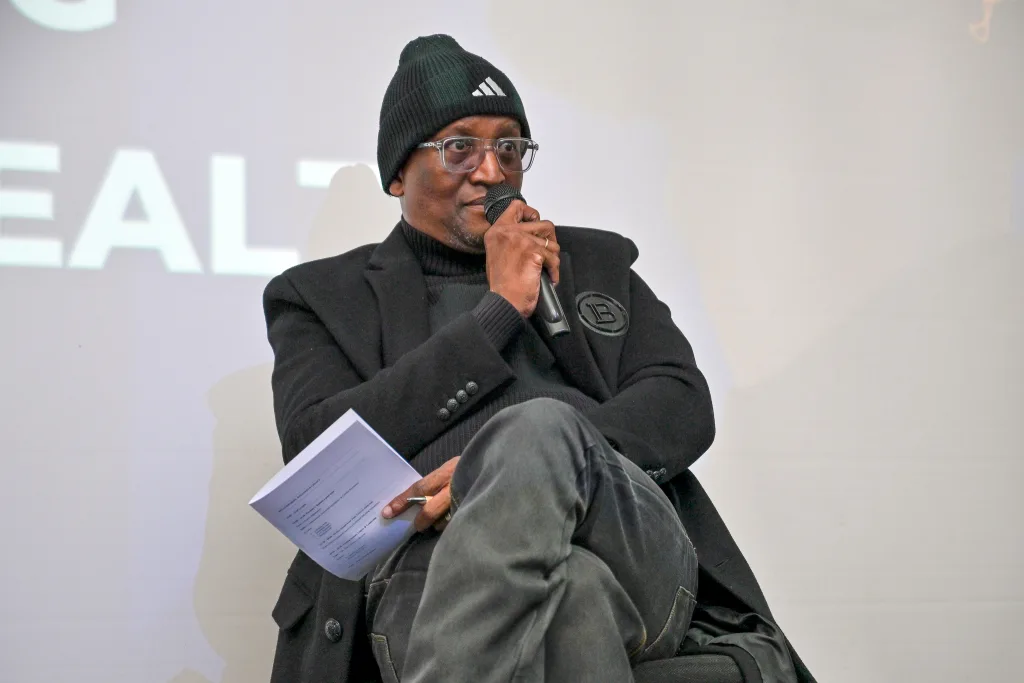
Ka Labone, 07 Motsheganong 2026, Yunibesithi ya Theknolotši ya Vaal (VUT) e fetogile yeo e fetago khamphase ya dithero le matšatši a mafelelo a thuto. Senthareng ya Khonferentshe ya VUT, Vanderbijlpark, yunibesithi e hlotše sekgoba sa potego, go hlaselega gabonolo le go naganišiša ge baithuti, bašomi ba maphelo a mabotse le baetapele ba khamphase ba kgobokane bakeng sa Seboka sa Banna sa 2026 ka fase ga morero wa, “Monna yo a nago le Menagano.”
E swerwe ka tirišano le Mokgatlo wa Bosetšhaba wa Ditsebi tša Tlhabollo ya Baithuti (NASDEV), seboka se ile sa thulana le ye nngwe ya dilo tša nnete tše thata kudu le tšeo gantši di hlokomologwago tšeo di lebanego le masogana a thuto ya godimo, e lego dintwa tše di homotšego tša maikutlo le tša maphelo a monagano tšeo di rwelego ka morago ga ditebelelo tša bonna.
Boithomelo bo kopantše Ditirelo tša Thekgo ya Baithuti (SSS), Kliniki ya Khamphase le Bodulo bja go Phela le go Ithuta ka go seo se fetogilego maitapišo a setheo ao a kopantšwego a go feta dipolelo tša tlhohleletšo le go hlola dipoledišano tše di nago le mohola go dikologa boitšhupo, bohlale bja maikutlo, maikarabelo le phodišo.
Sebokeng ka moka, therešo e tee e ile ya tšwelela leboelela: masogana a mantši a tlaišega ka setu.
Ditebelelo tša setšo, maemo a leago le ditumelo tša leabela go dikologa bonna di tšwela pele go tiišetša kgopolo ye kotsi ya gore “indoda ayikhali”, go ra gore monna ga a lle. Lega go le bjalo ka morago ga setu seo go na le dikgateletšo tše di oketšegago tša maikwelo, go tshwenyega, kgateletšego gomme gantši kudu, masogana ao a ikwago a sa kgone go kgopela thušo.
Ge a emela SSS, Ngaka Gugulethu Xaba o hlohleleditše baithuti go nagana gape ka seo se bolelwago ka nnete go ba monna setšhabeng sa lehono. O ile a bolela gore pele banna ba ka atlega dithutong goba tša seprofešenale, ba swanetše go thoma ka go lokolla dikgopolo tše kotsi tšeo di tswalanyago bonna le go gatelela maikwelo.
“Ke ile ka hlabja ke koša ya kgale kudu, yeo Ginuwine a e opetšego ka gore: ‘Nthuše go ba monna yo mokaone yo nka bago yena,’” a realo Ngaka Xaba. “Ka fao, ge re bolela ka go tsepamiša kgopolo ga banna, re swanetše go kwešiša gape gore seo re lekago go se kganyoga ke go ba monna yo mokaone yo re ka bago yena.”
O ile a gopotša baithuti gape gore boitšhupo bo bopa boitshwaro le dikamano, go dira gore go nyakege gore masogana a hlaloše bonna leswa ka ditsela tše di phetšego gabotse le tše di akaretšago bohle.
“"Se sengwe le se sengwe seo re se dirago bjalo ka boitšhupo bja rena se tsebiša banna; kopano ye ke sefala sa gore rena ka VUT re se ithute. Re swanetše go hlaloša bonna leswa ka tsela yeo e lego ye botse, yeo e akaretšago bohle le go re dumelela go ba batho pele re le banna."”
Ngaka Xaba o hlalositše gape bokgoni bjo bo bohlokwa bjo bo nyakegago go hlabolla seo a se hlalositšego bjalo ka monna yo a nago le monagano: bokgoni bja leago, bokgoni bja maikutlo le bokgoni bja temogo. Mmogo, bokgoni bjo bo hlohleleditše baithuti go lebelela go tsepamiša kgopolo e sego bjalo ka bofokodi, eupša bjalo ka go gola ga maikutlo, go itemoga le maatla.
E nngwe ya dinako tše di kgahlišago kudu tša kopano ye e tšwa go seboledi sa tlhohleletšo Morena Linda Ntuli, yo a tsebišitšego baithuti ka seo a se bitšago “Dikokwane tše hlano tša go thibela Bokamoso”, tlhako yeo e lebišitšwego go thuša masogana go maatlafatša seo a se bitšago “ditshepedišo tša bona tša go šoma ka gare.”
Ka go šomiša mehlala ye e šomago le go anega dikanegelo tše di amanago, Morena Ntuli o phuthollotše mafelo a mahlano a bohlokwa a kgolo: kgopolo, kgokagano, bohlale bja maikutlo, kgalemo le maikarabelo a ditšhelete. Molaetša wa gagwe o ile wa kwagala kudu go baithuti ka gobane o be o kgokaganya tlhabollo ya motho ka noši le dikgetho tša letšatši le letšatši le morero wa nako ye telele.
“Monna yo a nago le monagano o theeletša gabedi go feta ge a bolela,” Mna Ntuli o hlalositše ge a phutholla bohlokwa bja bohlale bja maikutlo, tayo le maikarabelo a motho ka noši.
Ka morago o ile a tiišetša molaetša wa gagwe ka khutsofatšo ye bonolo eupša e sa lebalegego ya MONNA: Master Yourself. Amogela Boikarabelo. Le ka mohla o se ke wa Kgotsofalela ka Tlase.
Ka ntle ga polelo ya tlhohleletšo, Morena Ntuli o hlohleleditše baithuti go amogela mekgwa yeo e tšwetšago pele kgolo ya motho ka noši ya nako ye telele ka seo a se bitšago “Di Dula tše 5”: Dula o Botega, Dula o Phetše gabotse, Dula o swerwe ke tlala, Dula o Fiša le go Dula o Ikokobeditše.
Mohlomongwe ye nngwe ya dinako tše maatla kudu tša seboka e tlile ka tshwantšhišo ya gagwe ya Nawa ya Kofi. Ge dikharoti di nolofala gomme mae a thatafala ka fase ga kgatelelo, dinawa tša kofi di fetoša meetse ao a di dikologilego. O ile a phega kgang ya gore masogana ga se a swanela go dumelela kgateletšo go ba hlaloša, eupša a swanetše go ba batho ka o tee ka o tee bao ba kgonago go fetoša ditikologo tša bona.
“O boditše barutwana gore: ”Eba di- thermostat, e sego di- thermometer.”.
Kgahlamelo ya seboka mohlomongwe e ile ya bonagala gabotse ka mantšu a baithuti ka bobona.
Morena Katlego Chilwane, moithuti wa Boentšenere bja Mohlagase ka VUT, o boletše gore kopano ye e mo gopotšitše gore go kitimiša ditebelelo tša leago tšeo e sego tša kgonthe gantši go goga masogana kgole le bona ka noši.
“VUT ke sebaka se sebotse seo se go rutago go gontši ka wena,” a naganišiša. “Go lokile go ba yo a tlwaelegilego.”
Morena Musa Mbengwa, moithuti wa Bachelor of Education go tšwa Yunibesithing ya Pretoria (UP) yo a emelago Aganang Gentlemen's Club, o boletše pepeneneng ka ga dikotsi tša go gatelela maikutlo gare ga banna.
“O itše: ”Bjalo ka banna, re swanetše go bolela le go itlhalosa, e sego go boloka dilo ka gare ka gobane seo se feleletša se re kweša bohloko.”.
Ditlhathollo tša bona di thopile morero wo o tseneletšego wa seboka, go hlola tikologo ye e bolokegilego moo go hlaselega gabonolo go bego go swarwa e sego bjalo ka bofokodi, eupša bjalo ka sebete.
Mohumagadi Karabo Mogolego go tšwa go Kantoro ya Bong le Phetogo ya SRC le yena o gateletše gore phetogo ya setheo e ka se atlege ge baithuti ba banna ba hlokomologwa maikutlong. Go kgatha tema mo go bonagalago ga Kliniki ya Khamphase le SSS go tiišitše molaetša wo bohlokwa: thekgo ga se ya kgole, ya teori goba ga e fihlelelege, e gona ebile e a hwetšagala.
Ka go kopanya bophelo bjo bobotse, boeletši le tlhabollo ya boetapele, VUT e bontšhitše gore katlego ya baithuti e ka se lekanywe ka tshepedišo ya thuto e nnoši, eupša ka bokgoni bja baithuti bja go sepetša bophelo ka go kgotlelela maikutlo, maikarabelo le go itemoga.
Mafelelong, kopano ya “Monna yo a nago le Menagano” e ile ya hlama bonna gape ka gare ga tikologo ya yunibesithi. E tšweleditše phetolelo ya bonna yeo e tsemilego medu go temogo ya maikutlo, boikarabelo, go kgotlelela, maikarabelo a leago le botho.
Setšhabeng seo banna gantši ba rutwago go gatelela maikwelo, seboka se ile sa ba kgothaletša go bolela. Moo ba rutwago go phadišana ka mo go sa felego, e ile ya ba hlohla go naganišiša. Le gona moo ba bantši ba rutwago go fo kgotlelela, e ile ya ba gopotša gore phodišo le yona ke matla.
Ka “The Mindful Man,” VUT e dirile se se fetago go swara tiragalo. E butše poledišano ye e nyakegago ka ga bokamoso bja bonna ka Afrika Borwa le mohuta wa banna bao diyunibesithi di swanetšego go thuša go bopa setšhaba.