
“Vaal University of Technology (VUT) House Committee Training 2026 empowers student leaders with governance, wellbeing, and leadership skills in Vaal Marina.”
10 June 2026 | Story by: Staff Reporter | Picture: Supplied
Metsotso e 4 nako ya go bala.
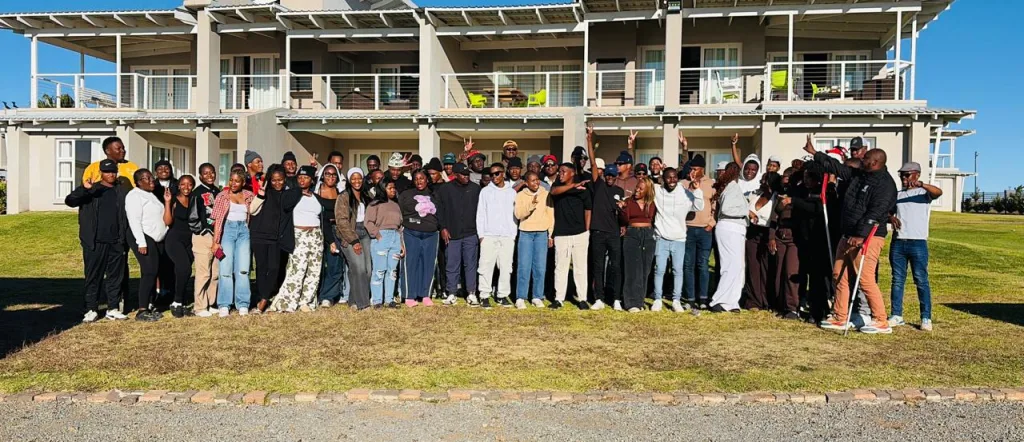
The Student Accommodation and Catering Department at the Vaal University of Technology (VUT) hosted its 2026 House Committee Training Programme, bringing together student leaders for an intensive three-day leadership development experience aimed at strengthening residence governance, student support systems, and leadership capacity.
Held from 5 to 7 June 2026 at The Anchorage in Vaal Marina, the training formed part of the University’s broader commitment to student development and leadership empowerment in line with the VUT Strategy 2033+.
Programme facilitator and Residence Student Programme Officer, Mr Miehleketo Rihlampfu, described the engagement as “a critical foundation for shaping responsible student leaders who understand both their role and their impact within residence communities.”
He added that the purpose of the training was “to ensure House Committee members are not only leaders by position, but leaders by practice, empathy, and accountability.”
Delivering the official opening address, VUT Residence Hospitality Manager, Mr Babalo Nyhonyha, emphasised the importance of integrated student development within residence life.
“This training is not just about administration. It is about shaping leaders who understand the full ecosystem of student wellbeing, safety, and academic success,” said Mr Nyhonyha.
He further encouraged participants to take ownership of their leadership roles, noting that “inclusive residence environments are built when student leaders actively listen, respond, and lead with intention.”
The second day of training featured a series of departmental engagements addressing key aspects of student life and the services available to students living in residences.
VUT Senior Educational Psychologist, Dr Trishana Soni, highlighted growing mental health challenges in student communities.
“Mental wellness is not optional; it is essential for academic and personal success. House Committee members must be the first point of support, not the last,” she said.
Maintenance Department representative, Mr Sifiso Mandondo, outlined ongoing improvements in service delivery, noting that “efficient residence maintenance is central to dignity and quality student living.”
Students actively engaged in discussions, raising concerns and providing feedback on service improvements within residences.
Placement and administration, led by Mr Senzo Msibi, provided clarity on accommodation policies and procedures.
“Transparency in placement processes builds trust, and trust strengthens student governance,” stated Mr Msibi.
Hospitality services representatives, Mr Sandile Moya, Ms Violent George, and Mr Nyhonyha reinforced service standards within student residences.
At the same time, Ms Dorah Mateta from the Victim Empowerment Centre stressed the importance of safety and care structures.
“Students must know that support systems exist not only on paper, but in practice and in people,” Ms Mateta said.
The afternoon sessions focused on conflict management, governance, and the practical application of leadership principles within residence communities.
Facilitators included VUT lecturers Mr Walker Masungin, Mr Ally Jan Smith, and Mr David Matsaung.
Mr Walker Masungin emphasised the importance of emotional intelligence in leadership, stating that “conflict is inevitable in leadership, but how it is managed defines the quality of leadership.”
Presenting on governance, Mr Ally Jan Smith reminded students that “House Committees are not symbolic structures, they are accountable leadership bodies within residence life.”
Meanwhile, Mr David Matsaung’s interactive commission-based session encouraged practical application of leadership principles.
“Leadership is not learned by listening alone; it is learned by doing, debating, and deciding,” said Mr Matsaung.
On the final day, Manager of the Residence Living and Learning Unit, Ms Ramaesela Phasha, outlined expectations for House Committee members moving forward.
“This is a call to responsibility. Residence leadership must reflect discipline, empathy, and service to students,” she said.
Student reflections during the closing session highlighted personal growth, renewed responsibility, and a deeper understanding of the role House Committee members play in supporting student success.
The Student Representative Council (SRC) Deputy Secretary, Mr Godfrey Mathiba, presented a consolidated reflection report, noting that “the training has reshaped how student leaders understand their role in residence governance.”
The programme officially concluded with closing remarks from the SRC Student Accommodation and Catering representative, who reaffirmed the importance of collaboration in strengthening student leadership structures across residences.
Reflecting on the programme, Mr Thabang Malebane, Academic Officer at Educity, said: “Education is key, and we must lead by example. I have learned that there are appropriate communication channels for addressing issues and established procedures for reporting incidents. I commit to fostering a culture of excellence through teamwork, collaboration, and consistency. Furthermore, I commit to being approachable, responsible, and dedicated to serving students.”
The 2026 House Committee Training Programme was widely regarded as a success, equipping student leaders with practical governance skills, emotional intelligence, and a deeper understanding of the systems that support student life within residences.
The Student Accommodation and Catering Department expressed appreciation to all facilitators and participants, reaffirming its commitment to developing empowered, responsive, and student-centred leadership that contributes to safe, supportive, and thriving residence communities at VUT.