
“VUT’s Work-Integrated Learning workshop addresses placement delays, registration barriers and funding challenges affecting student progress towards graduation.”
05 Novemer 2026 | Story by: Tshepiso Kaibe | Picture: Peter Masela
Metsotso e 3 nako ya go bala.
Securing workplace placements is a critical step towards graduation for many students, but registration delays and financial constraints can prevent them from completing their qualifications. Addressing these barriers was the focus of a Work-Integrated Learning (WIL) workshop convened by the Teaching and Learning portfolio at the Vaal University of Technology (VUT) on 2 November 2026 at the VUT Conference Centre.
The workshop brought together academic and administrative stakeholders to examine placement challenges, funding requirements and institutional processes affecting student progress.
Presenting VUT’s 2026 WIL statistics, Dr Annie Moletsane, Director of Student Academic Development, Support and WIL, reported that 1,350 of the 1,627 eligible students had secured placements, while 277 were still awaiting placement.
Participants discussed the six-month WIL period, which does not always align with employers’ expectations of longer training cycles, and registration requirements that can delay students’ transition into workplace learning.
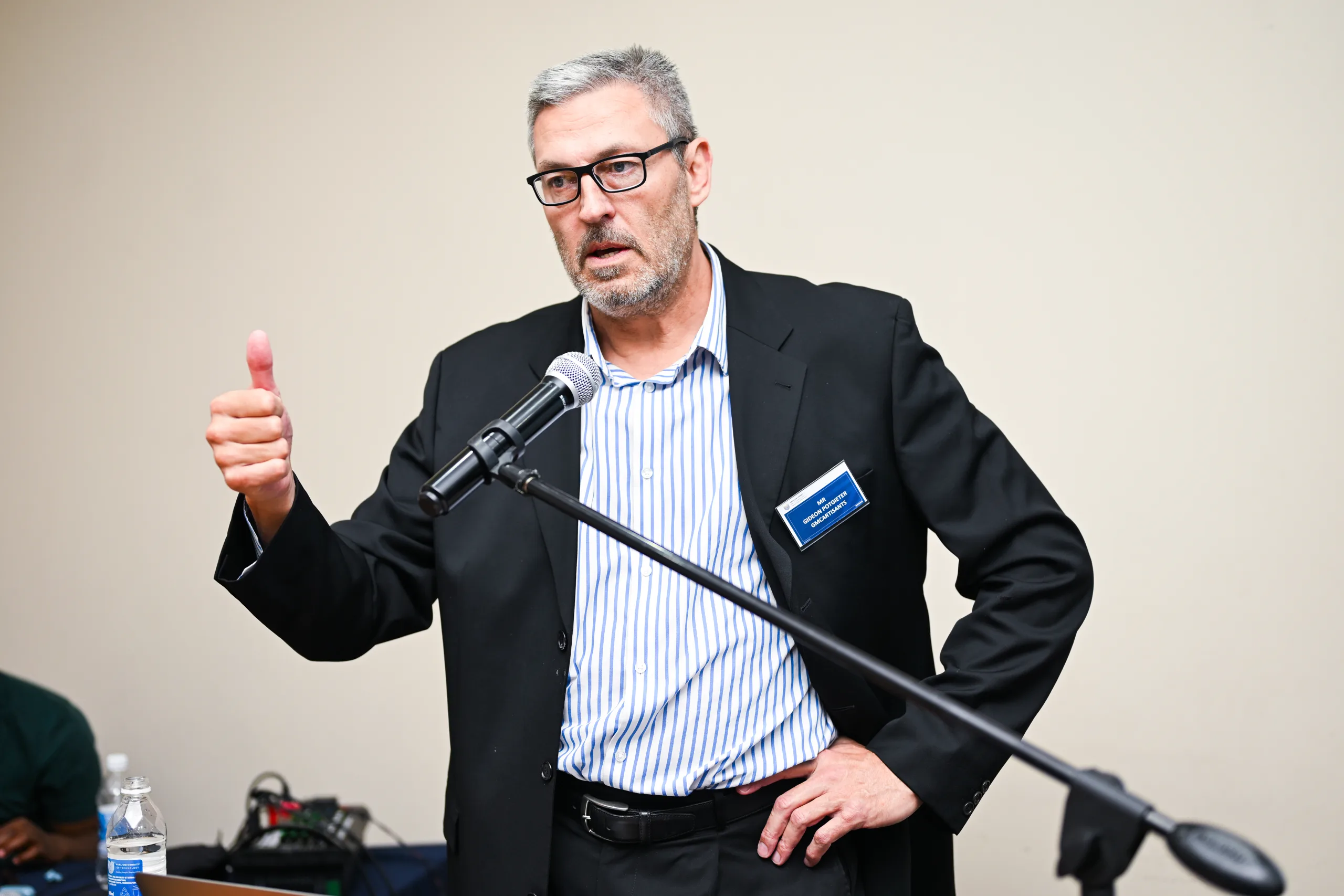
Keynote speaker Mr Gideon Potgieter, Director of GMC Artisans (Pty) Ltd, explored the alignment of WIL practices with the Higher Education Qualifications Sub-Framework (HEQSF). He highlighted the financial pressures facing students who must relocate for placements while relying on limited stipends.
“The stipend does not cover accommodation, food and transport. They have to choose two of the three. This is their reality,” he said.
Mr Potgieter’s remarks underscored that securing a placement does not necessarily mean a student can afford to take it up. He urged VUT to strengthen industry partnerships and pursue funding opportunities through Sector Education and Training Authorities (SETAs).
Ms Busi Radebe, Manager of Financial Aid, explained the relationship between National Student Financial Aid Scheme (NSFAS) funding requirements and registration status. Students who meet funding criteria may still struggle to access support if their WIL registration has not been finalised.
Discussions with the Registrar, Dr Joel Baloyi, and Senior Deputy Registrar, Ms Tsakane Maluleke, examined registration blocks and possible improvements to the Integrated Tertiary Software (ITS) system. The focus was on maintaining academic standards while removing unnecessary obstacles to student progression.
Dr Grace Kanakana-Katumba, Deputy Vice-Chancellor for Teaching and Learning, called for greater consideration of students’ circumstances when addressing academic progression challenges.
“Let’s put ourselves in the shoes of this particular student,” she urged, advocating for a more flexible approach rather than blanket restrictions.
She also emphasised that expanding access to placements must be accompanied by quality assurance. Proposing a stronger employer certification process, she called for a database of approved workplace training providers offering appropriate mentorship and experience relevant to students’ qualifications.
“We need a list of certified employers, and we need to have that database,” she said.
Such a database would help the University assess its placement capacity and identify opportunities to expand its network of training providers.
Facilitated by Professor Muntuwenkosi Chilli, Executive Director of the Centre for Academic Development (CAD), the workshop reinforced that WIL is a shared institutional responsibility and an essential part of preparing graduates for employment.
Priorities emerging from the discussions included a more integrated registration system, closer coordination between academic and administrative departments, and stronger industry partnerships. These support VUT’s Strategy 2033+ commitment to student success and the aspirations of Sustainable Development Goals (SDGs) 4 and 8, which focus on quality education and decent work and economic growth, respectively.
The workshop’s impact will depend on translating these priorities into practical improvements. For students awaiting placements or financial support, timely action can determine when they complete their qualifications and enter the labour market.