
“VUT le Golden Triangle Chamber of Commerce ba thakgotše protšeke ya go tsošološa diprecinct ya R5 milione go kaonafatša polokego, phihlelelo le go tšwela pele go dikologa khamphase ya Vanderbijlpark mola ba maatlafatša ditirišano tša setšhaba.”
22 Lewedi 2026 | Pale ka: Nontobeko Moimane | Seswantšho: Siphephelo Dlamini ya go swana le yena
Metsotso e 6 nako ya go bala.
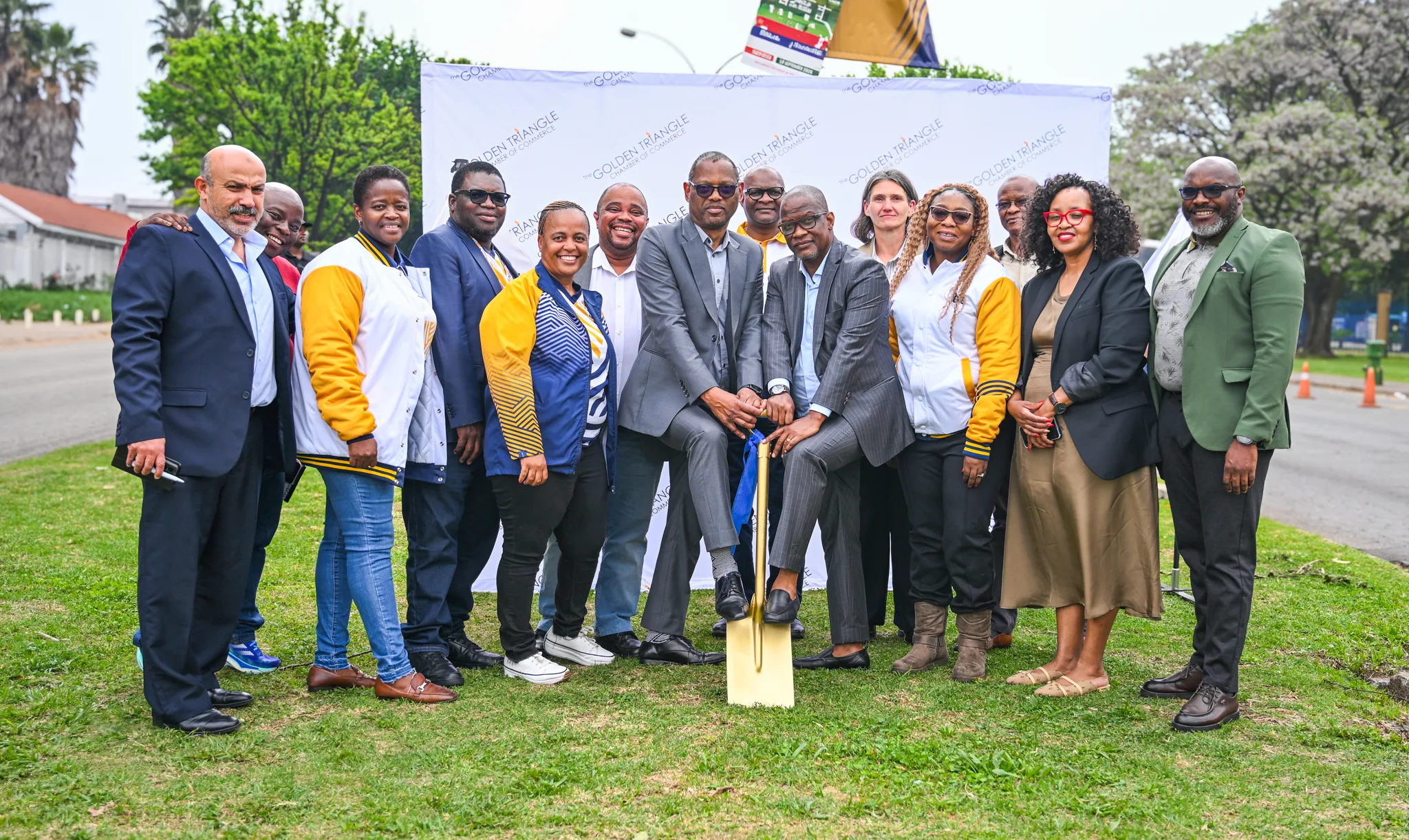
Protšeke ya mananeokgoparara ya go feta R5 milione yeo e lebanego le go kaonafatša polokego, phihlelelo le go tšwela pele go dikologa Yunibesithi ya Theknolotši ya Vaal (VUT) e šuthile semmušo go tsenywa tirišong ka la 17 Lewedi 2026, yeo e swayago kgato ye bohlokwa ka tirišano magareng ga Yunibesithi le Kgoro ya Kgwebo ya Khutlotharo ya Gauta (GTOCOC).
VUT le GTCOC di swaya mathomo a Kaonafatšo ya Protšeke ya VUT ya ka Ntle ga Precinct nakong ya moletlo wa go fetoša sod ka khamphaseng ya Vanderbijlpark. Boithomelo bjo bo tla fetoša dikarolo tša Andries Potgieter Boulevard, tsela yeo e swaregilego yeo e šomišwago letšatši le letšatši ke baithuti, bašomi, badudi, banamedi le dikgwebo.
Protšeke ye e akaretša mpshafatšo ya ditsela tša go sepela tša basepelaka maoto le go beakanya, phihlelelo ye e kaonafetšego go lefelo la dithekisi, le go hlongwa ga mabone a setarateng a LED ao a šomišago maatla a letšatši. Le ge go le bjalo, diboledi moletlong di gateletše gore maitapišo a a emela se se fetago kudu kaonafatšo ya mananeokgoparara.
Tiragalo ye e laeditše boikgafo bjo bo abelanwago magareng ga Yunibesithi, lekala la kgwebo le setšhaba ka bophara go hlola tikologo ye e bolokegilego, ye e fihlelelwago kudu le ye e swarelelago mola e maatlafatša dikamano tšeo di tsenyago letsogo tlhabollong ya selete.
Ge a bula lenaneo, Motlatšamotlatšamokhanselara wa VUT: Dinyakišišo, Boitlhamelo, Kgwebo le Boditšhabatšhaba, Mop Simphiwe Nelana, o gateletše bohlokwa bja ditirišano tšeo di tlišago mehola go feta dihlongwa tšeo di amegago thwii.
O boletše gore tirišano magareng ga Yunibesithi, kgwebo le ditšhaba tše di dikologilego e laetša ka fao ditirišano tša maano di ka fetolelago go dikaonafatšo tše di bonagalago ka tikologong.
Mop Nelana o lemogile gore lefelo le ga se lefelo la VUT fela eupša ke karolo ya tikologo ya setšhaba ye e nabilego yeo e šomišwago ke batho bao ba dulago, ba šomago, ba ithutago le go swara kgwebo mo lefelong leo. O okeditše ka gore protšeke ye e fa sebaka sa go laetša ka fao tirišano ya setheo e ka tšweletšago mehola ye e bonagalago ya setšhaba.
Ge a fa setlogo sa protšeke ye, Leloko la GTCOC C-Level Morena Jaco Verwey o naganišišitše ka leeto leo le tlišitšego maitapišo go tloga kgopolong go ya go phethagatšo.
Morena Verwey o laeditše tema ye bohlokwa yeo kgwebo e ka e kgathago go thekga diprotšeke tšeo di kaonafatšago tikologo yeo e dikologilego Yunibesithi mola di maatlafatša dikamano magareng ga VUT le setšhaba sa kgwebo sa selete.
Go ya ka Morena Verwey, protšeke ye e na le bokgoni bja go godiša maatlakgogedi le mošomo wa lefelo le mola e bula mojako wa tirišano ye nngwe magareng ga Yunibesithi le lekala la phraebete.
Go Mopresidente wa GTCOC Mohumagadi Carla de Villiers-Malan, protšeke ye e laeditše mohola wa go kopanya mafapha a go fapana go dikologa nepo ye e swanago.
O gateletše bokgoni bja tirišano magareng ga kgwebo, thuto le boetapele bja setšhaba go hlola phetogo ye e nago le mohola le go tsenya letsogo go boitlhamelo, borakgwebo le dibaka tša tlhomo ya mešomo go bafsa.
“O itše: ”Re hloka bohwa bjo bo holago meloko ya ka moso mmogo.”.
Dipolelo tša gagwe di beile protšeke ye e sego bjalo ka tsenogare ya gatee, eupša bjalo ka karolo ya maitapišo a nabilego a go aga ditšhaba tše di tiilego le go hlola dibaka tša meloko ya ka moso.
Ge a neela polelo ya motheo, Motlatšamokhanselara wa VUT le Hlogo ya Sekolo Mop Khehla Ndlovu o hlamile maitapišo a ka gare ga maikarabelo a Yunibesithi a nabilego go setšhaba seo se e dikologilego.
“"Protšeke ye e feta mananeokgoparara a mmele. E laetša boikgafo bja rena bja go aga tikologo ye e bolokegilego, ye e fihlelelwago le ye e akaretšago bohle go baithuti, bašomi le setšhaba ka bophara. Boikarabelo bja rena ga bo felele mollwaneng wa khamphase; bo atologela go ditšhaba tšeo re abelanago sekgoba se le tšona," a realo.
Mop Ndlovu o gateletše gore maemo a tikologo yeo e dikologilego Yunibesithi e bopa karolo ya maitemogelo a mang le mang yo a dirišanago le VUT.
O hlalositše protšeke ya lefelo bjalo ka pontšho ye e šomago ya seo se ka fihlelelwago ge dihlongwa le bakgathatema ba šoma mmogo go rarolla ditlhohlo tše di abelanwago le go hlola boleng bja setšhaba bja go ya go ile.
Motlatšamokhanselara o kgokaganya gape protšeke ye le pono ya lebaka le letelele ya VUT le tlhahlo ya maano, kudukudu ka ge Yunibesithi e keteka segopotšo sa yona sa bo 60 le go naganišiša ka ga tema ya yona ya ka moso setšhabeng.
Tlhokego ya tsenogare e tsemile medu dilong tša kgonthe tša letšatši le letšatši. Ge nako e dutše e eya, dikarolo tša lefelo leo le dikologilego Yunibesithi di senyegile, ka ditsela tša go sepela tše di senyegilego le mabone ao a sa lekanego ao a amago polokego, phihlelelo le maitemogelo a kakaretšo a batho bao ba šomišago lefelo leo.
Protšeke ye e arabela thwii ditlhohlo tše. Go baithuti bao ba sepelago go ya khamphaseng, banamedi bao ba sepelago go ya lefelong la dithekisi, bašomi bao ba begago bakeng sa mošomo, badudi bao ba sepelago lefelong le dikgwebong tša kgauswi, mananeokgoparara ao a kaonafaditšwego a tla bopa karolo ya tikologo ya bona ya letšatši le letšatši.
Go hlongwa ga mabone a LED ao a šomišago maatla a letšatši gape go tsebagatša karolo ya go tšwela pele, go laetša ka fao tlhabollo ya mananeokgoparara e ka akaretšago ditharollo tše di nago le maikarabelo a tikologo mola e kaonafatša polokego ya setšhaba.
Maitapišo a a letetšwe go godiša maitemogelo a baithuti ka kakaretšo, ka ge tikologo ya mmele yeo e dikologilego yunibesithi gantši e šoma bjalo ka ntlha ya mathomo ya tirišano go baithuti, baeti le bakgathatema ba ka moso.
Ditsela tše di bolokegilego tša basepelaka maoto, mafelo a setšhaba ao a fihlelelwago le mabone ao a ka botwago di na le seabe go maikutlo a magolo a tšhireletšo, go ba karolo ya setšhaba le kgokagano.
Se se sepelelana kgauswi le Leano la VUT la 2033+, leo le hlaolago mananeokgoparara a boleng, ditirišano tša maano, maitemogelo a baithuti le tlhabollo ya selete bjalo ka dilo tše bohlokwa tše di tlago pele. Protšeke ya precinct e fa polelo ye e bonagalago ya maikemišetšo a, e laetša ka fao peeletšo ya mananeokgoparara
e ka rarolla ditlhohlo tše di šomago mola e maatlafatša dikamano magareng ga Yunibesithi le bakgathatema ba yona.
Ge a tliša bouto ya ditebogo, Motlatšamotlatšamokhanselara wa VUT: Methopo le Mešomo, Morena Scelo Mahlalela, o laeditše bohlokwa bja maitapišo ka gare ga lenaneo la phetošo ya mananeokgoparara ka bophara la Yunibesithi.
Morena Mahlalela o laeditše ditebogo go setšhaba sa kgwebo le bakgathatema bao ba bilego le seabe mo protšekeng ye gomme a gatelela bohlokwa bja go hlola mafelo a go phela le go ithuta a go ya go ile go baithuti le bašomi.
O lemogile gore phetogo ya mananeokgoparara ye e nago le mohola e nyaka tirišano, peeletšo le tirišano ye e swarelelago, a hlaloša seabe go tšwa go setšhaba sa kgwebo bjalo ka se se bohlokwa go maikemišetšo a tlhabollo ya Yunibesithi.
Dipolelo tša gagwe di laeditše bokgoni bja tirišano go thekga maitapišo a phetogo a ka moso go feta protšeke ya bjale.
Ge VUT e swaya segopotšo sa yona sa bo 60, protšeke ya lefelo e laetša ka fao Yunibesithi e fetolelago pono ya yona go tiro ye e šomago. Ka ntle ga go kaonafatša mananeokgoparara, maitapišo a laetša boikgafo bja go aga dikamano tše di tiilego le dikgwebo le setšhaba ka bophara mola a hlola tikologo yeo e thekgago go ithuta, mošomo wa ekonomi le tlhabollo ya leago.
Le ge moletlo wa go fetoša sod o swaya go thoma semmušo ga go aga, tekanyo ya kgonthe ya katlego e tla bonwa diphihlelong tša letšatši le letšatši tša bao ba dirišago lefelo leo. Ge ditsela tša go sepela tše di kaonafaditšwego di phethilwe, mabone a tšhumilwe gomme batho ba sepela ka polokego kudu ka lefelong leo, khuetšo ya go ya go ile ya tirišano e tla bonagala ka boleng bjo bo kaonafetšego bja bophelo bjo bo bo tlišago setšhabeng seo e se hlankelago.