
“VUT communication students gained practical advice on career readiness, networking and building professional portfolios at an industry networking event.”
22 October 2026 | Story by: Sadiki Siphiwe | Seswantšho:
Metsotso e 4 nako ya go bala.
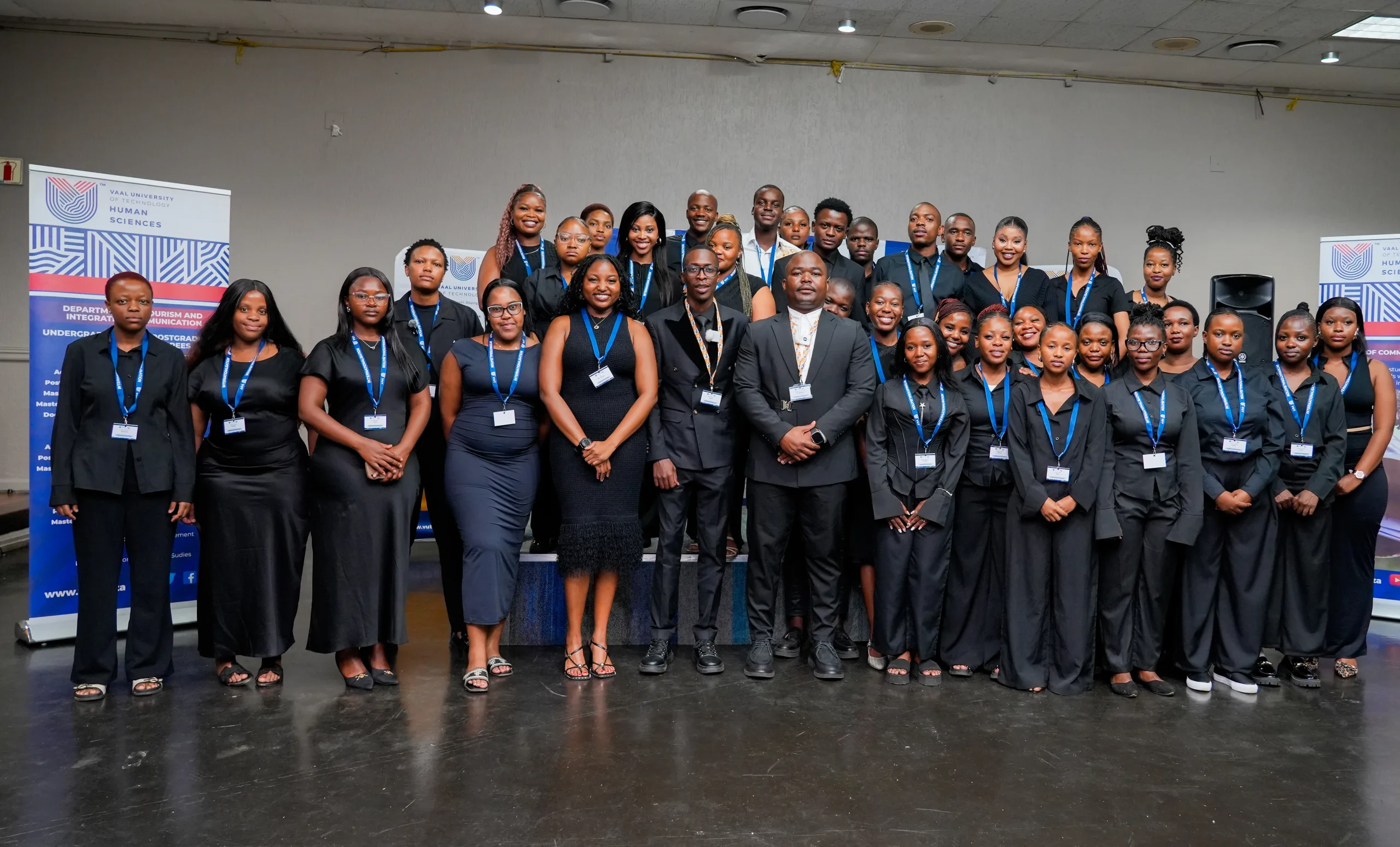
A university qualification opens doors, but practical experience, professional relationships and initiative help graduates move through them. This was the central message at the Bachelor of Communication Studies networking event hosted by the Vaal University of Technology (VUT) on 16 October 2028 at the VUT Conference Centre.
Held under the theme “Unlocking the Power of Communication Studies”, the event connected students with industry professionals to explore career readiness, workplace expectations and the steps students can take to prepare for life after graduation.
Third-year student Ms Owami Masuku directed the programme, which encouraged aspiring communication practitioners to build confidence, develop their skills and take an active role in shaping their careers.
Mr Percy Singo, Managing Director of Invest RSA, challenged students to look beyond their qualifications in his presentation, “A Degree Is Not Enough: What Does It Take to Succeed After Graduation?”
Drawing on his experience in business and property, he encouraged students to focus on their own progress rather than compare themselves with others.
“You are in your own lane. Focus on the work you are doing and the future you are building,” he said.
Mr Singo urged students to approach their futures with purpose and patience, seek practical experience and take responsibility for their decisions. He also highlighted the value of financial planning, entrepreneurship and recognising opportunities across different sectors.
His message positioned a degree as a foundation on which graduates must continue building through experience, relationships and a willingness to learn.
Senior journalist Ms Reabetswe Mkwame addressed the move from university to employment in her presentation, “From Student to Professional: Transitioning from the Classroom to the Workplace.”
She emphasised that technical ability must be supported by effective communication, adaptability and the capacity to build professional relationships.
“You need people. You need to be able to manage relationships and know who to speak to,” she said.
Ms Mkwame encouraged students to gain experience during their studies through volunteering, student organisations, campus projects and social media activities. These platforms offer opportunities to develop writing, research, photography, content creation, event coordination and digital communication skills.
Documenting this work can help students build portfolios that demonstrate their capabilities to prospective employers, internship providers and clients. A portfolio gives practical evidence of what a student can contribute beyond the qualification listed on a curriculum vitae.
She also challenged students to consider how their online presence could influence professional opportunities.
“If someone searches your name today, what will they find?” she asked.
The question prompted reflection on digital identity and reputation. Students were encouraged to use online platforms to showcase their work, share informed perspectives and connect with professionals while exercising sound judgement about what they publish.
For third-year student Ms Ingrid Mogale, the discussions reinforced the importance of applying academic knowledge and remaining open to development.
“What we learn in class becomes valuable when we put it into practice, build relationships and keep learning,” she said.
Her reflection highlighted how everyday academic activities can support career preparation. Research assignments, group projects and student initiatives provide opportunities to develop skills that students can identify, refine and present to potential employers.
A writing assignment can become a portfolio sample, while a campus event or social media project can demonstrate planning, teamwork and audience engagement. Recognising these opportunities allows students to begin building a professional identity before graduation.
The event also underscored the value of sustained engagement between universities and industry. Exposure to practising professionals helps students understand changing workplace demands and recognise where their knowledge can be applied.
Its emphasis on practical learning, employability and industry partnerships reflects the direction of VUT’s Strategy 2033+. Such engagements connect academic preparation with professional insight, helping students make more informed decisions about their development and future careers.
Mr Shaun Michael Ndou, Project Manager for the Bachelor of Communication Studies, delivered the vote of thanks, acknowledging the speakers, organisers and students who contributed to the programme.
The discussions left students with practical steps to pursue: develop a portfolio, seek mentorship, gain experience and build relationships founded on trust and reliability. These actions can help turn career aspirations into opportunities. The responsibility now is to translate that advice into consistent action throughout their remaining studies.
For VUT’s communication students, the challenge is to carry those lessons beyond the event. Their time at university offers a space to test ideas, strengthen their abilities and learn from others. Combining that foundation with initiative and continuous learning will help them prepare for careers in which communication connects people, solves problems and creates value.