
“VUT’s Management Sciences Research Colloquium equipped researchers with systematic literature review skills while fostering collaboration and research ownership.”
26 August 2026 | Story by: Staff Reporter | Picture: Supplied
3 minutes read time.
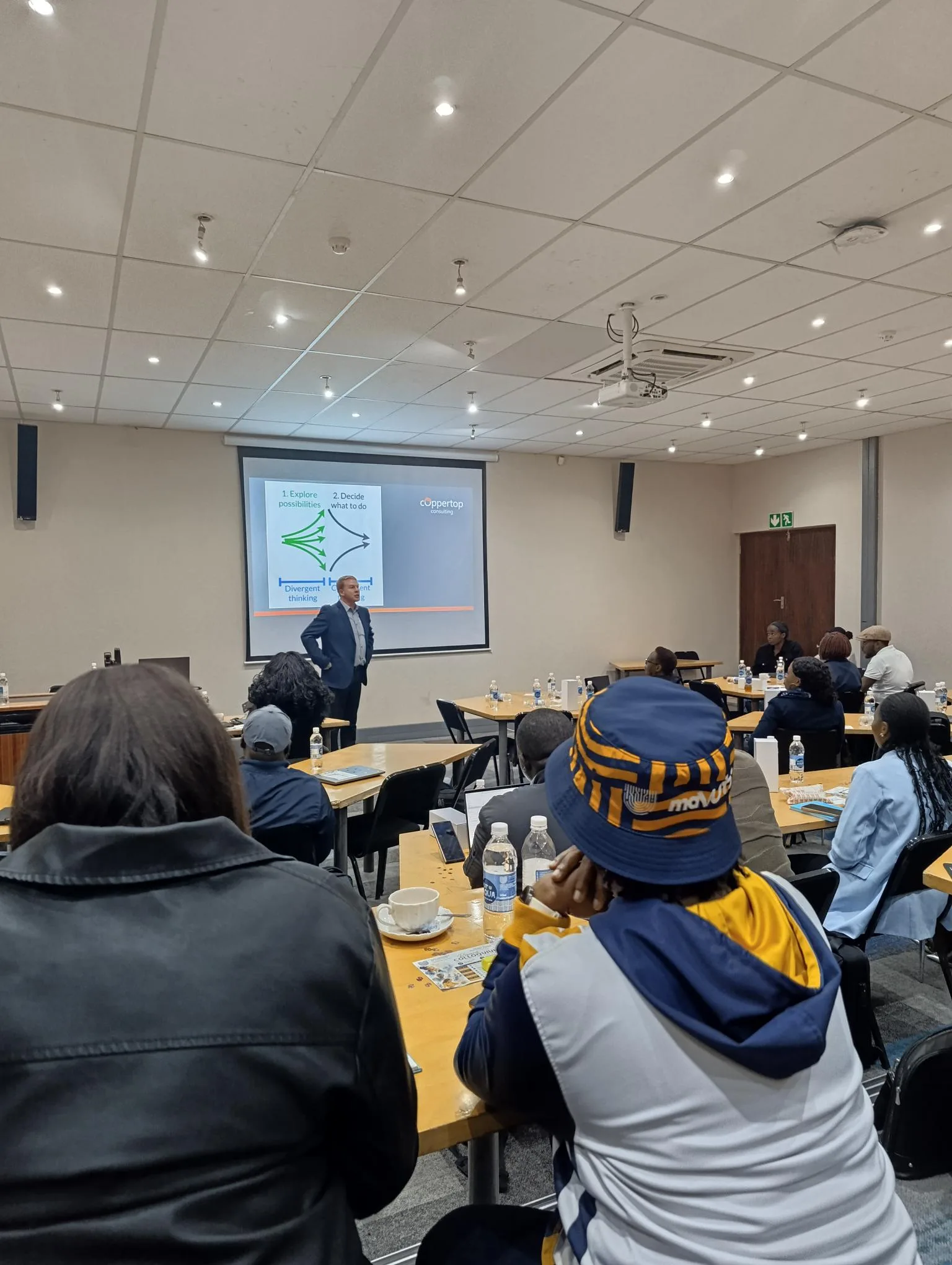
Researchers in the Faculty of Management Sciences at the Vaal University of Technology (VUT) stepped away from their daily academic demands on 19 August 2026 to reflect, learn and sharpen the skills needed to produce credible and impactful research.
Hosted at VUT Conference Venue under the theme, “A Day of Insight. A Journey of Growth”, the Faculty Research Colloquium brought together 65 researchers, including both staff and Postgraduate students.
The colloquium was organised by the Faculty Research Office to strengthen research capacity within the Faculty and to create a space where researchers could examine their progress, share experiences, and develop practical research skills.
Professor Chengedzai Mafini, Executive Dean of the Faculty of Management Sciences, welcomed participants and thanked them for investing in their continued development.
His message set the tone for a programme that focused on the human journey behind research as much as it did on academic methods and outputs.
Motivational speaker Mr Gerald van Rheede van Oudtshoorn of Coppertop Consulting led an energetic session titled “Taking Ownership of Your Research Journey”. He encouraged researchers to examine their mindset, purpose and personal responsibility in shaping their academic careers.
Drawing on systems theory, Mr van Rheede van Oudtshoorn explained that greater awareness of the factors influencing a research journey could make that journey easier to manage. He challenged participants to consider three questions: What needs to stop? What needs to start? What needs to continue?
“When variables are more observable, the easier it becomes to control the system,” he said.
Through practical guidance and humour, he also challenged researchers to move beyond what he described as a “problem-statement mindset” and approach the demands of academic life with a more deliberate and constructive outlook.
The second part of the colloquium moved from personal reflection to practical research application. Professor Verona Leendertz of North-West University facilitated two hands-on sessions on systematic literature reviews, guiding participants through the different stages of the process.
The sessions explored the importance of selecting an appropriate research paradigm and how that choice shapes research questions and the criteria for including or excluding literature. Researchers were also encouraged to use reputable academic databases and high-quality scholarly sources to strengthen the credibility, reliability and trustworthiness of their work.
Instead of discussing the methodology only in theory, participants were given opportunities to practise the skills and consider how systematic literature reviews could be applied to their current and future research projects.
The question-and-answer sessions allowed researchers to raise challenges from their own work and receive practical guidance. Participants identified collaboration, mentoring, motivation and recognition as essential elements of a sustainable research environment.
The colloquium also supported VUT’s commitment to the VUT Research Agenda and commitment to Socially Engaged Scholarship by investing in researchers and strengthening the quality and potential impact of the University’s research.
As a practical outcome of the programme, participants committed to exploring the value of the new method for conducting literature reviews in both their studies and planned scholarship.
Research development will continue beyond the colloquium. Professor Christel Marais, Acting Research Professor in the Faculty of Management Sciences, plans to arrange ATLAS.ti training in early 2027 to strengthen researchers’ qualitative data-analysis skills.
Further information on the proposed training, including the dates and intended participants, will be communicated once arrangements have been finalised.
By combining honest reflection with practical skills development, the colloquium reminded participants that meaningful research growth does not happen in a single session. It is built through continuous learning, collaboration and the willingness to turn insight into action.