
“VUT’s five-day Tech Entrepreneurship Bootcamp helped students test business ideas, understand customer needs and prepare to build sustainable ventures.”
28 October 2026 | Story by: Tshepiso Kaibe Setshwantsho: Keitumetse Mokgope
Nako ea ho bala metsotso e 4.
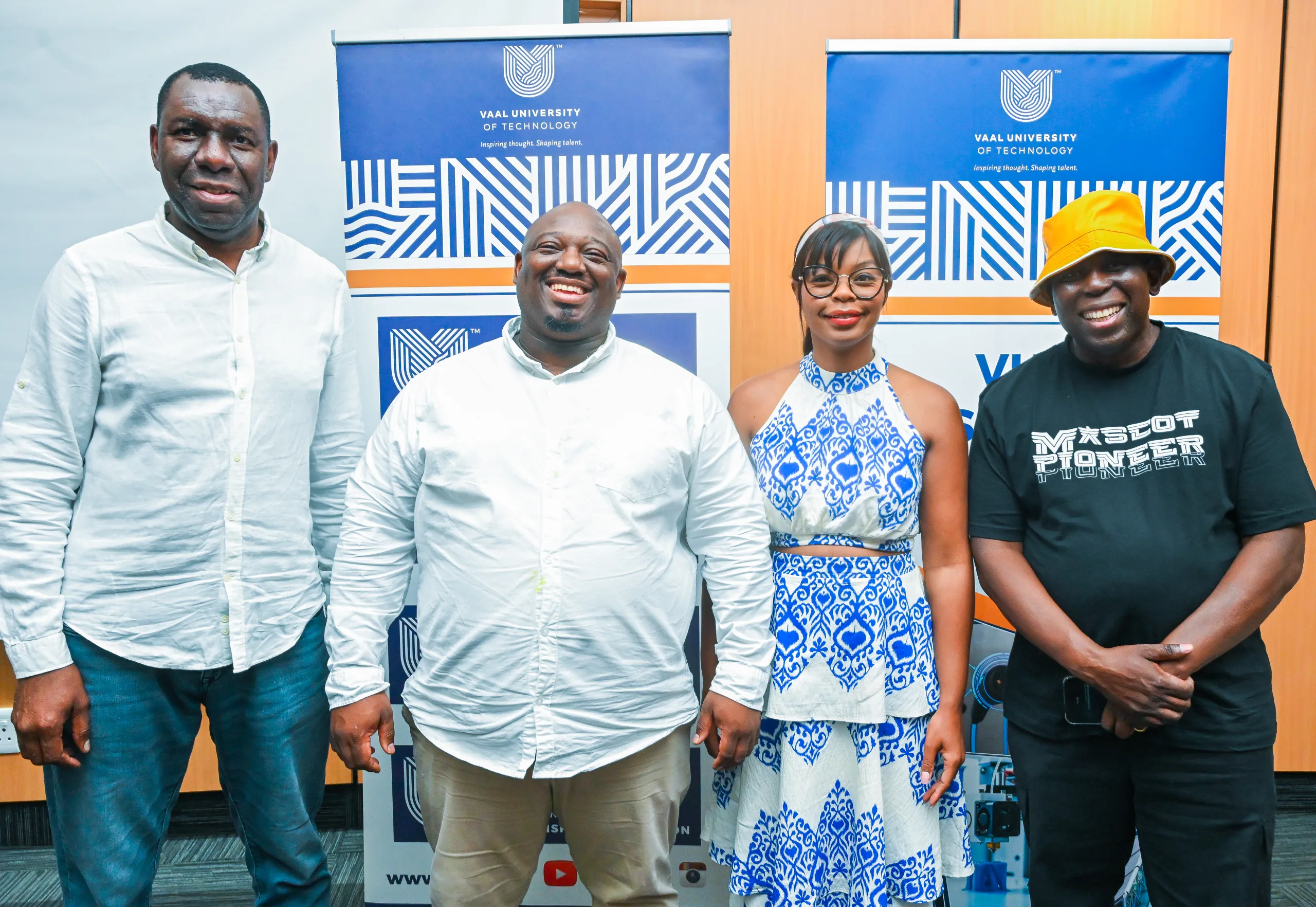
Mr Kabelo Nkadimeng arrived at the Vaal University of Technology’s (VUT) Tech Entrepreneurship Bootcamp with an initiative he believed in. He left with questions about the people it served, the problem it addressed and what it would take to make it sustainable.
“An idea becomes more meaningful when you begin to understand the problem it solves, the people it serves, and the value it creates,” said the final-year Human Resource Management student and founder of Bridge Builderr.
His experience captured the central challenge of the five-day programme: having an idea is a beginning, but building a business requires understanding whether people need what it offers.
Hosted by VUT’s Technology Transfer and Innovation (TTI) Department from 19 to 23 October 2026, the bootcamp connected aspiring entrepreneurs with business founders and industry specialists. Through practical exercises, discussions and pitches, students questioned their assumptions and refined their business models.
The programme supported VUT’s Strategy 2033+ ambition to develop entrepreneurial graduates. Its focus on helping students turn ideas into viable businesses also aligns with United Nations Sustainable Development Goal (SDG) 8: Decent Work and Economic Growth, particularly its emphasis on entrepreneurship, innovation and small business development.
Guiding participants were Mr Yongama Sweyiya, a Cape Town-based entrepreneur and venture builder, and Dr Siya Ntutela, Director of Innovation, Technology Transfer and Commercialisation at the University of South Africa (Unisa), and founder and Managing Director of Intini Research & Consulting.
Students explored how to identify problems worth solving, understand potential customers and develop businesses capable of surviving in competitive markets. For Mr Sweyiya, their willingness to ask questions and reconsider their ideas stood out.
“It’s been a very interesting week of meeting incredible young people who are hungry for information and access to knowledge around entrepreneurship,” he said.
Ms Noxolo Fani, founder and Chief Executive Officer of Phenomenal Light Construction, brought a personal perspective to these lessons. Having studied multimedia and worked in advertising, she entered construction with limited industry experience, learning through practical work and professional relationships.
She recalled leaving the security of a regular salary and later walking away from a business she had helped grow without the ownership stake she had expected. Rebuilding meant drawing on the knowledge and relationships she had gained.
Her experience offered students an honest account of entrepreneurship, including the setbacks that often sit behind a business’s progress. She encouraged participants to develop discipline, understand their values and remain willing to learn.
“If you can’t lead yourself, you won’t be able to lead others. Because it starts with self,” she told them.
On 23 October, students put the week’s learning into practice by pitching their ideas to Ms Onica Matsheke, Lecturer in VUT’s Department of Human Resource Management, and Dr Natasha Robbetze, Senior Lecturer in the Department of Accountancy.
The judges questioned whether participants understood their intended customers and the practical demands of operating a business. Students had to explain the problems they hoped to address and demonstrate why their solutions could work.
“Students need to graduate from idea generation to start to do something,” said Ms Matsheke.
She encouraged them to explore entrepreneurship development programmes and funding opportunities that could help them take the next step.
Dr Robbetze acknowledged the courage required to present an idea and respond to critical questions. She urged participants to develop grit, recognising that rejection and uncertainty are part of building a venture.
For Mr Nkadimeng, learning about the Business Model Canvas helped him examine Bridge Builderr beyond the passion that inspired it. The exercise prompted him to consider its beneficiaries, value proposition and potential for measurable, sustainable impact.
“One important lesson I am taking forward is that building a solution is not enough; we must first understand the people experiencing the problem.”
TTI Executive Director Mr Ayanda Noma reinforced this message, encouraging participants to welcome feedback and remain willing to change direction.
“It’s not about your idea at all. It’s about solving somebody’s problem,” he said.
Mr Noma urged students to think beyond launching start-ups towards building businesses that could survive and grow. He outlined plans to expand entrepreneurship development opportunities, including VUT Forge, an initiative intended to support innovative solutions through targeted funding and further development.
By the close of the bootcamp, participants had practised more than presenting a convincing pitch. They had begun testing whether their ideas answered a real need. Their next challenge is to take those lessons beyond the programme, speak to the people they hope to serve and put their proposed solutions to work.