
“VUT’s Ecotourism Guest Lecture Seminar helped students explore career opportunities, conservation, innovation and entrepreneurship through industry engagement.”
05 November 2026 | Story by: Tayron Mhlongo Setshwantsho: Siphephelo Dlamini
Nako ea ho bala metsotso e 4.
The future of ecotourism will not be built only in lecture rooms; it will be shaped by graduates who understand conservation, communities, technology and the changing expectations of travellers. For students beginning their studies, understanding where they fit into that future can make their career ambitions feel more tangible.
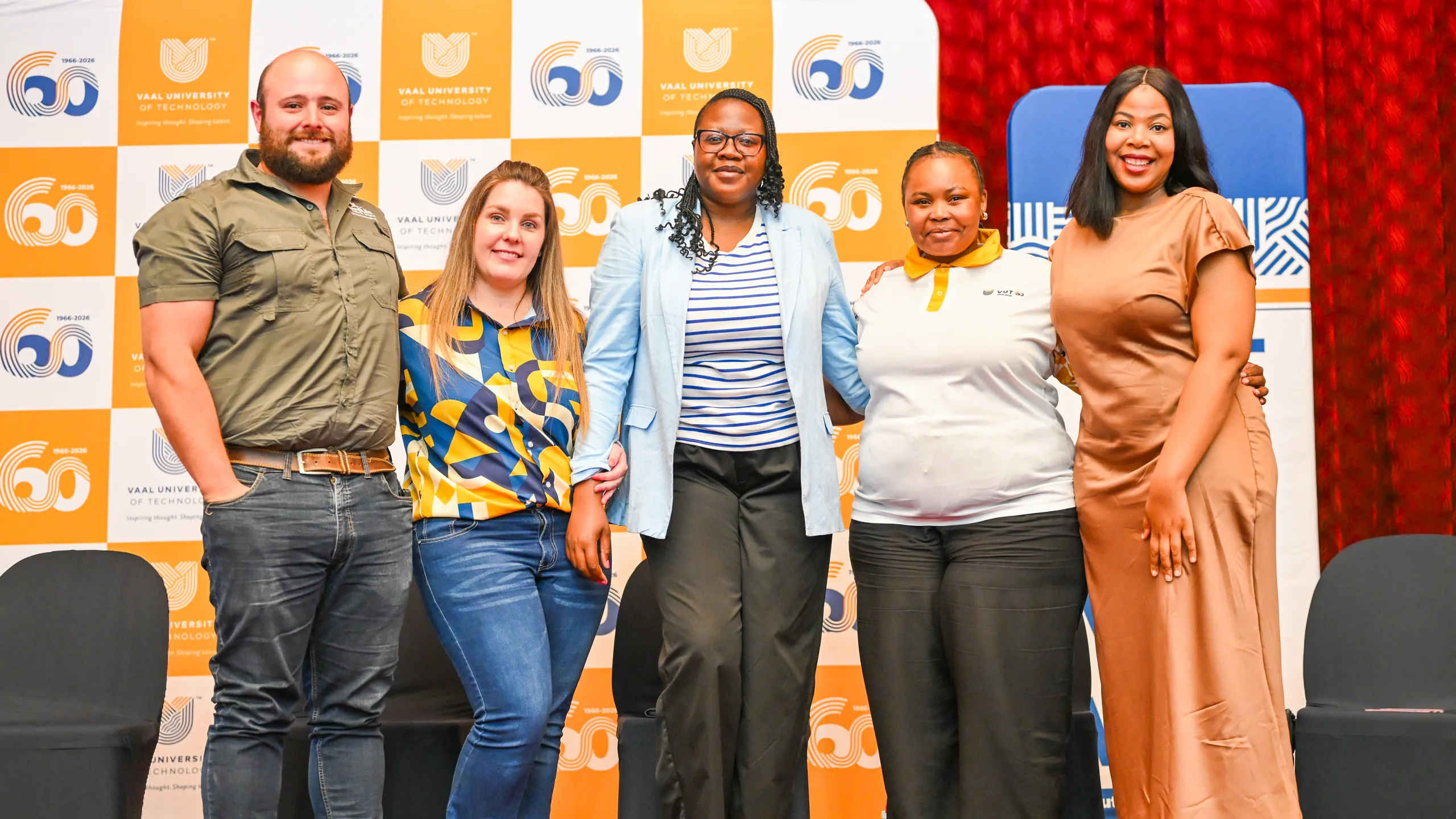
This was the purpose of the Ecotourism Guest Lecture Seminar hosted by the Ecotourism Management programme in the Department of Tourism and Integrated Communication, within the Faculty of Human Sciences at the Vaal University of Technology (VUT). First- and second-year students gathered at the Desmond Tutu Hall on 28 October 2026 to hear directly from people working in the sector.
Held under the theme “The Future of Ecotourism Professionals”, the seminar explored career pathways, workplace expectations and the contribution graduates can make to conservation and community development.
Speakers included Ms Nsovo Chavalala from Midvaal Local Municipality, Dr Nqobile Motsomane from the University of Cape Town (UCT), Dr Simiso Mabaso from Tshwane University of Technology (TUT) and Mr John Kinghorn, Avitourism Project Manager at BirdLife South Africa.
For Prof Limpho Lekaota, Head of the Department of Tourism and Integrated Communication, preparing students means helping them develop the confidence and skills to respond to an industry that continues to change.
“We have goals and objectives where we say we are producing technologically skilled students. We also want to produce innovative students who can come up with new ideas, because things keep changing. The industry keeps on changing. We want students who can come up with new ideas so that they can keep up with what is happening in the industry.”
She highlighted the Department’s investment in equipment, including binoculars and other tools used in ecotourism, to give students practical experience alongside their theoretical studies. Meeting industry professionals, she explained, adds another dimension to that preparation.
“Going to the purpose of today’s event, the reason why universities organise guest lectures is that, as universities, we want to bridge the gap. We teach our students theories in class, but we believe that people from the industry will also show them what is happening in the industry, to bridge the gap between what they learn in the classroom and what they learn from people in the industry.”
The presentations introduced students to different ways of building a career in ecotourism.
Ms Chavalala discussed local government’s role in sustainable tourism, community participation and environmental protection. Her contribution showed that opportunities extend beyond private tourism businesses into municipal planning and destination development, where decisions can affect both residents and visitors.
Through video presentations, Dr Motsomane and Dr Mabaso encouraged students to recognise the importance of research, continuous learning, ethical decision-making and innovation throughout their careers.
Mr Kinghorn introduced avitourism, a specialist field centred on birdwatching and bird-related travel. His presentation connected an interest in birds with opportunities in conservation, tourism and community development, widening students’ understanding of where their qualifications could take them.
Dr Tanya Erasmus, Ecotourism Course Coordinator and lecturer at VUT, encouraged students to consider what they could contribute to the sector, including through businesses and initiatives of their own.
“We’ve learned a lot from our case, but the change is sitting with you. How we move forward, what we do, and how we improve this industry lie in your hands. Remember, don’t only go and look for a job. You are the ones who can go and create a job.”
For first-year student Ms Bathandwa Waka, hearing from professionals helped connect her current studies with the working life ahead of her.
“Today’s seminar was very insightful as we got to get a deeper understanding of more than just the studies of ecotourism, but also about the industry itself. It was great to hear people from the industry telling us what to expect after we have completed this course.”
She singled out the introduction to avitourism as an experience that expanded her view of possible careers.
“We got to know about job opportunities. And now it has made the course itself broader to us. It has broadened our idea of the course, because now we know where to knock after we are done.”
Ms Waka’s reflection captured the value of bringing students and professionals together early in their studies. The seminar gave students a clearer sense of the opportunities available and the skills they would need to pursue them. It also invited them to think about the people and places their work could benefit, from communities earning a livelihood through tourism to the natural environments on which those livelihoods depend.