
“VUT’s 2026 SABPP Student Conference connected HR students with industry professionals to explore ethical leadership, digital change and career readiness.”
22 October 2026 | Story by: Tayron Mhlongo | Picture: Siphephelo Dlamini
3 minutes read time.
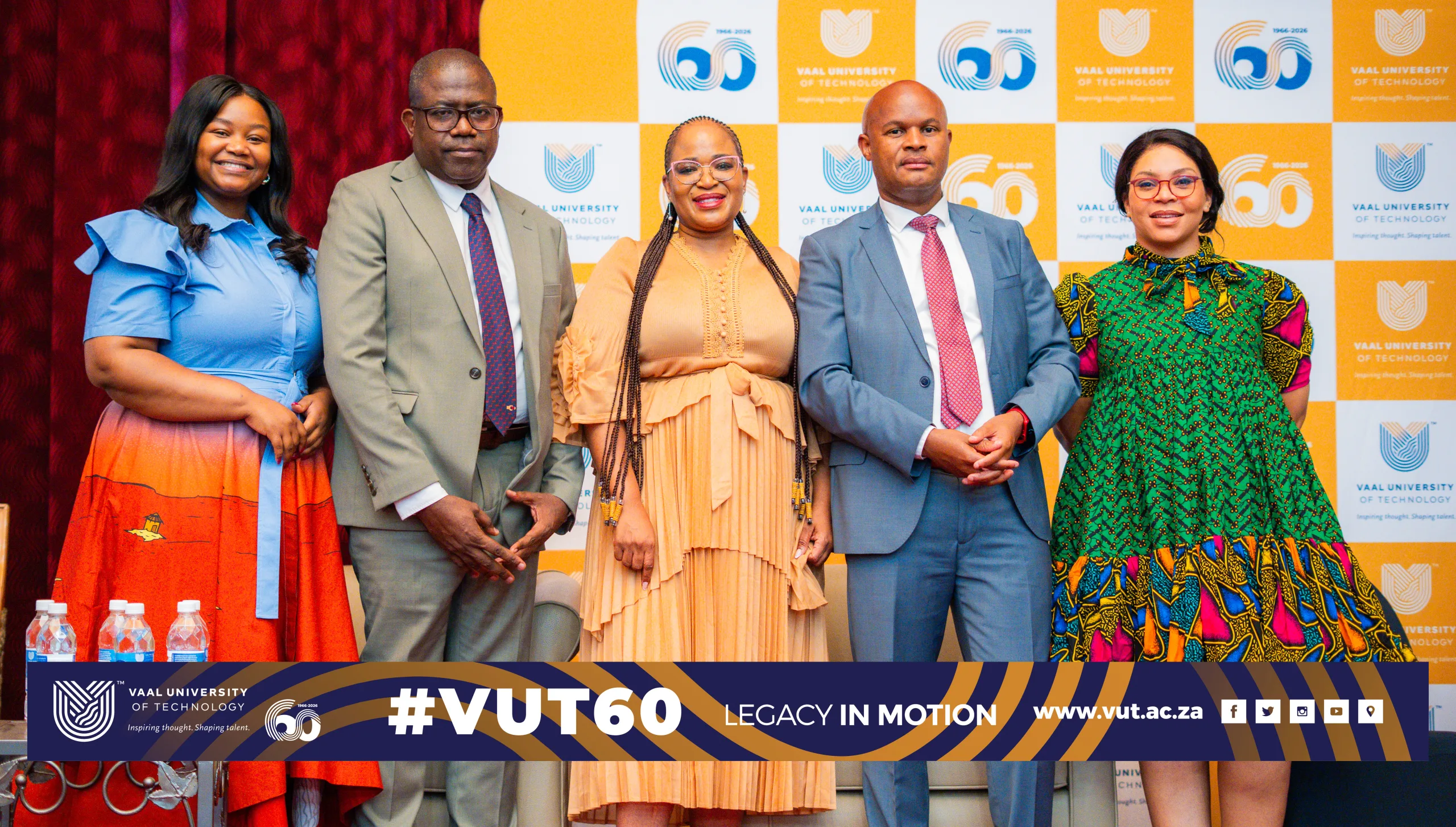
Human resources professionals must understand people, navigate technological change and make ethical decisions, even when no one is watching. These responsibilities took centre stage at the 2026 South African Board for People Practices (SABPP) Student Conference, hosted by the Department of Human Resources Management at the Vaal University of Technology (VUT).
Held on 15 October 2026 in the Desmond Tutu Hall, the conference brought together students, academics and industry professionals under the theme “Pathways into Ethical Leadership and Professional Development”.
The programme connected classroom learning with workplace realities, giving students insight into career development, organisational culture and the changing responsibilities of human resources (HR) practitioners.
Welcoming delegates, Head of Department Dr Josiah Masoka emphasised the department’s responsibility to prepare students for the world of work. He also challenged them to consider how they could create employment opportunities rather than focus solely on securing jobs.
“We want people who will go out there and create job opportunities for others. And some of those people are sitting in this very room,” he said.
His message encouraged students to combine their qualifications with initiative, adaptability and an entrepreneurial mindset.
Industry speakers explored how these qualities translate into professional practice. Ms Sibonganjalo Botha addressed organisational development, resilience and passion, encouraging students who had entered HR through unexpected routes to find purpose in the profession and remain committed to their development.
Ms Suzette Nortje examined the differences between textbook learning and practical HR work. Her presentation covered salary-related challenges, workplace culture, respect for work-life balance and the importance of reliable HR data systems in supporting informed decisions.
Ms Boitumelo Mputle focused on career building, change management and the capabilities graduates need to thrive in an evolving workplace. She described HR as a service-oriented profession requiring empathy, commitment and a sincere interest in people.
Mr Sam Shokoana reinforced the conference’s emphasis on ethical leadership, urging students to develop a strong sense of professional responsibility before entering the workplace.
For students, the discussions offered a broader understanding of the profession and the expectations they would encounter after graduation.
First-year student Ms Snethemba Dlamini said the conference had challenged her initial perception that HR was largely concerned with recruitment and salaries. She left with a clearer appreciation of its wider organisational role.
Third-year student Ms Kananelo Mokoena highlighted the importance of preparing for a workplace increasingly shaped by artificial intelligence (AI).
“We had a lot to learn as HR students, what to look forward to in the workplace and what to prepare for and how to actually fit into the world that has AI and not let it replace us,” she said.
The event also recognised academic achievement. Ms Naledi Mchana, a second-year top achiever who received the Best Student Award, described the recognition as a humbling reward for the sleepless nights, assignments and deadlines that had shaped her academic journey.
She said the conference had reinforced the importance of integrity and taking an active role in one’s professional development.
“We learned about how to be faithful even when no one is watching, especially in our work. You have to put yourself out there. Thinking that your work will stand out is not enough,” she said.
By bringing students into direct conversation with industry professionals, the conference created space to examine both the opportunities and responsibilities of an HR career. Its focus on ethical judgement, digital capability and entrepreneurship supports the ambitions of VUT Strategy 2033+ to develop graduates who can contribute to innovation and socio-economic transformation.
For the students preparing to enter the profession, the message was clear: a qualification opens the door, but integrity, adaptability and a commitment to people will shape the contribution they make.