
“VUT Computer Sciences staff attend the IITPSA Workforce Intelligence Conference 2026 to explore AI, ICT skills shortages, graduate employability and future-ready education.”
05 November 2026 | Story by: Staff Reporter | Picture: Supplied
3 minutes read time.
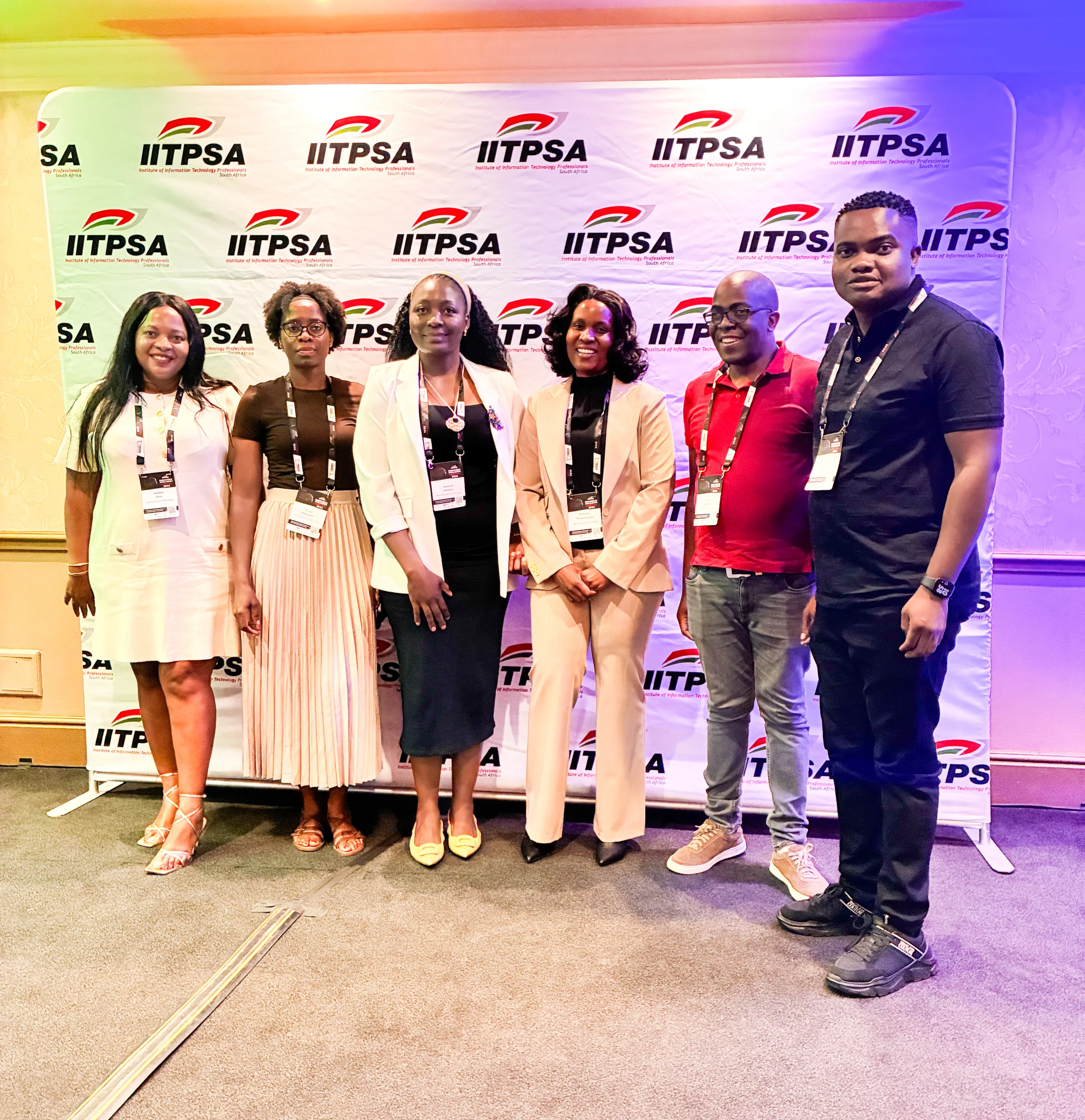
Preparing graduates for a rapidly changing workplace was a key focus for staff from the Department of Computer Sciences at the Vaal University of Technology (VUT) who attended the Institute of Information Technology Professionals South Africa (IITPSA) Workforce Intelligence Conference 2026 on 30 October at Emperor’s Palace in Johannesburg.
The conference brought together industry professionals, employers, academics and policymakers to discuss the 2026 IITPSA Information and Communications Technology (ICT) Skills Survey and the impact of Artificial Intelligence (AI) on skills development and graduate employability.
Discussions highlighted a gap between graduates’ theoretical knowledge and the practical competencies employers require, particularly in AI, cloud computing, cybersecurity and data analytics. Employers also emphasised communication, teamwork, critical thinking and adaptability as essential workplace skills.
Delegates raised concerns about lengthy curriculum approval processes, which risk leaving academic content outdated before revised programmes are implemented. Stronger industry involvement in curriculum design, practical learning and mentorship emerged as priorities for improving graduate readiness.
Reflecting on the conference, Ms Nellylyn Moyo, Lecturer in the Department of Computer Sciences, said the discussions reinforced educators’ responsibility to prepare students for technological change.
“My biggest takeaway from the conference is the realisation that the role of a lecturer is changing just as rapidly as the ICT industry itself. The discussions on AI, skills shortages, graduate employability and curriculum relevance made me reflect on the responsibility we have as educators to prepare students not only for today’s jobs but for a future that is constantly evolving,” she said.
Ms Moyo intends to incorporate more practical, industry-relevant learning into her teaching, including AI tools and emerging technologies in classroom activities and assessments. She also highlighted the need to develop students’ problem-solving, communication and teamwork skills.
“The conference reinforced my belief that our role extends beyond delivering content; we must help students become adaptable, work-ready professionals who can successfully navigate and contribute to an AI-driven future,” she added.
Dr Prince Sekwatlakwatla, Senior Lecturer in the Department of Computer Sciences, said the conference broadened his understanding of emerging ICT skills requirements and the competencies graduates need to remain competitive in the digital economy.
“The conference also broadened my understanding of how higher education institutions should respond to technological changes by continuously reviewing and aligning their curricula with industry needs,” he said.
Dr Sekwatlakwatla also identified research and professional development opportunities in AI, cloud computing, cybersecurity and data analytics. He intends to use these insights to strengthen teaching, inform research and contribute to curriculum development.
Speakers emphasised that AI is reshaping professions and creating career opportunities, making lifelong learning increasingly important. Professional certifications, workshops and continuous training were highlighted as ways for ICT professionals to keep their knowledge relevant.
For VUT’s Department of Computer Sciences, the conference insights will inform efforts to connect academic learning with workplace demands through practical projects, relevant curricula and stronger industry partnerships. Mentorship and alumni engagement can further help students understand career opportunities and translate their knowledge into professional practice.